



Many small business owners mistakenly believe that effective online advertising requires a substantial budget. The reality is quite the opposite: paid promotion can be the catalyst for growth, and you don’t need deep pockets to get started.
What’s essential is a clear objective, a degree of patience, and a willingness to experiment. This article will guide you through practical strategies for online advertising for small businesses when every dollar counts.
Start with One Goal, Not Five
The quickest way to deplete a limited budget is to attempt too many things at once. Goals such as brand awareness, website traffic, newsletter sign-ups, and direct sales are all valid, but each demands distinct messaging and measurement approaches.
Begin by selecting a single primary goal. If you’re selling a product, concentrate on driving sales or ‘add to cart’ actions. If your aim is to build an audience, prioritize sign-ups. A singular focus ensures your spending remains accountable, as you can always clearly assess whether a campaign is achieving its intended purpose.

Understand Where Your Customers Actually Are
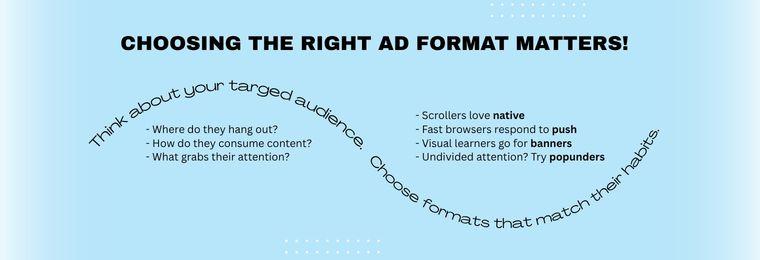
Before allocating any funds, precisely define your target audience and where they spend their time online. The advertising placement strategy for a local bakery will differ significantly from that of a software tool. Some audiences actively seeking solutions respond well to search ads. Others are more receptive to display formats that capture their attention while they browse, read, or shop.
This is where the choice of ad networks for small businesses becomes crucial. Large, established platforms can be expensive and highly competitive for new advertisers. Conversely, independent ad networks often provide more affordable entry points and access to niche traffic.
Self-serve ad networks like Mondiad offer a user-friendly environment where you can launch campaigns, set your own bids, and start with low minimum deposits. This setup is ideal for testing new ideas without committing your entire budget. To explore their offerings and begin your journey, you can register with Mondiad here and learn how to create a Mondiad ad campaign.
Choose a Format That Fits Your Message
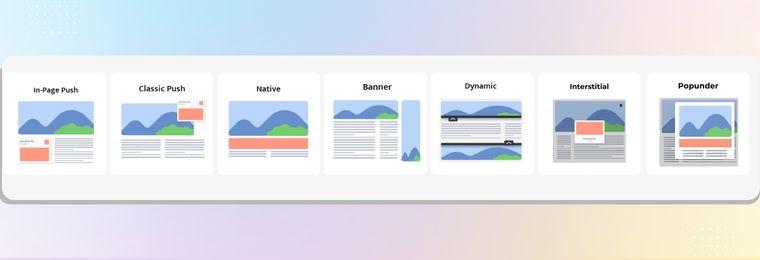
Different ad formats serve different functions. It’s beneficial to understand the distinctions among ad formats, such as push, native, and banner, before making a selection. Short, attention-grabbing messages are highly effective as push notifications or in-page push ads, which appear as small alerts and are generally inexpensive to run.
Native ads seamlessly blend into website content, making them suitable for longer, more explanatory offers as they feel less intrusive. Banners remain a classic choice for enhancing brand visibility and showcasing product images. For a deeper dive, explore everything you need to know about banner advertising.
If you’re uncertain, start with a low-cost format. This allows a modest budget to generate valuable data. You can then strategically shift your spending towards the formats that yield the best conversions.
Set a Budget You Can Afford to Lose
Consider your initial month of advertising as an investment in learning. You are paying to discover what works, so establish a comfortable spending amount, even if the immediate results are not stellar. A sensible daily spending cap prevents runaway campaigns and instills the discipline required for optimization, rather than simply increasing expenditure. Most ad networks provide controls to cap spending per day and per campaign; utilize these features from day one.
Write for the Click, Then for the Conversion
Limited budgets expose weak creative more quickly than larger ones. Your advertisement has two primary objectives: to generate a click and to prepare the customer for a sale.
Ensure your headline is specific and honest. Vague promises are often ignored, and misleading ones drive clicks that rarely convert, making them the most costly form of traffic. Once a user clicks, the landing page must precisely deliver what the ad promised. A disconnect between the ad and the landing page is a common reason why otherwise cheap online advertising campaigns fail.
Test Small, Then Scale What Works
The inherent advantage of a small budget is that it fosters good habits. Run two or three variations of an ad concurrently. Alter only one element at a time, whether it’s the headline, the image, or the target audience. Allow each version sufficient time and impressions to generate meaningful data.
Subsequently, pause underperforming versions and allocate more funds to the winners. This methodical, iterative process enables small businesses to advertise online effectively and punch above their weight.
Watch the Numbers That Actually Matter
It’s easy to become preoccupied with impressions and clicks, but these are merely means to an end. The critical metric is the cost per result, whether that result is a sale, a lead, or a sign-up. Track this metric diligently from the outset. Most advertising platforms offer reporting tools that reveal which campaigns, formats, and audiences deliver the most cost-effective results. This information is invaluable for deciding where to allocate your budget in subsequent months.
Do Not Overlook Fraud and Quality
Inexpensive traffic isn’t always high-quality traffic. Bot clicks and undesirable placements can subtly drain a small budget.
Opt for ad networks that offer robust anti-fraud filtering and let you block underperforming sources. The ability to blacklist placements that consistently fail to convert is one of the most undervalued tools available to a small advertiser.
The Takeaway
Advertising online on a tight budget is less about spending power and more about strategic focus. Choose a single goal, reach the right audience with an appropriate format, cap your spending, test relentlessly, and meticulously track your cost per result. When approached this way, a small budget is not a constraint but rather a controlled experiment that precisely reveals how to achieve growth when you are prepared to invest more.
You don’t need a big budget to start. Create a Mondiad account, set a daily cap, and let the data tell you what works.
References:
- Mondiad Official Website – Information on Mondiad’s advertising features.
- Sign Up to Mondiad – Mondiad registration page for advertisers and publishers.
- Master SEO Marketing For Small Business – The Small Business Expo blog on SEO for small businesses.
- SEO for Small Businesses: Budget-Friendly Strategies – MySiteAuditor blog on affordable SEO techniques.
- Ad Formats Comparison – Mondiad blog on comparing different ad formats.
- Everything You Need to Know About Banner Advertising! – Mondiad blog on banner advertising.
- How to Create a Mondiad Ad Campaign – Mondiad blog on creating ad campaigns.